How to Write a Grocery List That Actually Works
Most grocery lists fail because they're just random collections of items. An effective grocery list is a strategic document. Here's how to make one.
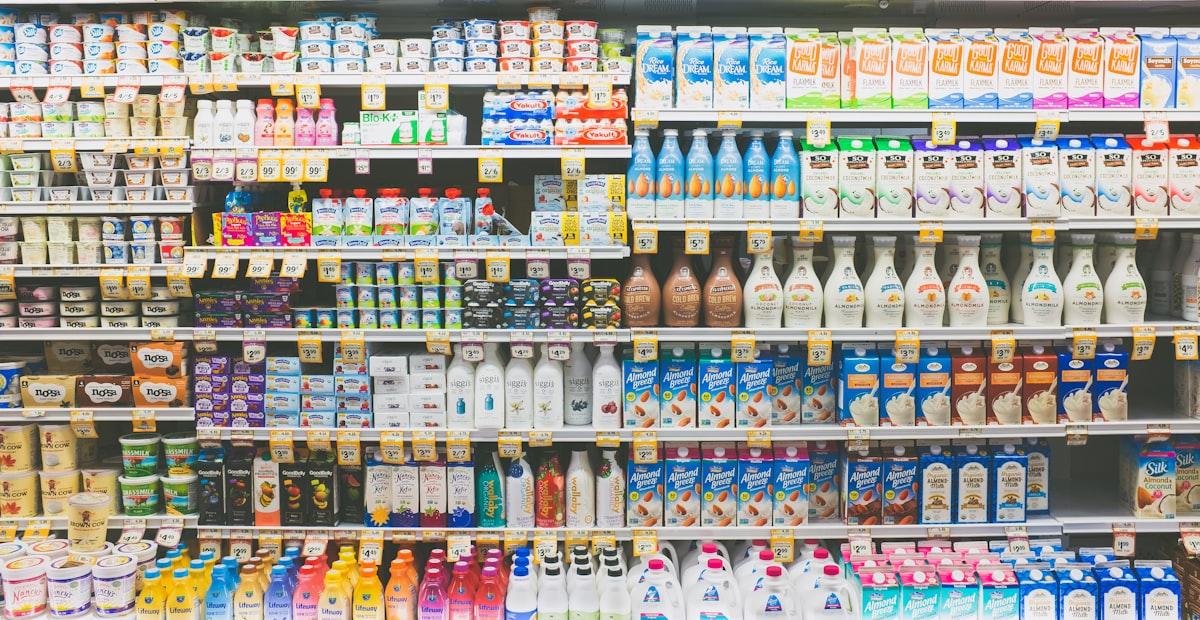
You've done it before: wandered the grocery store, basket getting heavier, no real plan in mind. You come home with three kinds of cheese but no vegetables, duplicates of things you already had, and nothing that actually makes a meal. A good grocery list changes everything.
Why Your Grocery List Keeps Failing
Most grocery lists fail because they're just random collections of items. "Eggs, milk, bread, chicken" isn't a plan — it's a vague wishlist. An effective grocery list is a strategic document that answers a simple question: what are you actually going to eat this week?
The problem isn't that you forget to make a list. It's that you make the wrong kind of list.
The Right Way to Build a List
Step 1: Check What You Have
Before writing anything, look at your fridge and pantry. What's about to go bad? What needs to be used? Your first meals should be built around what you already own. This alone cuts waste dramatically.
Step 2: Plan Meals First, List Second
Don't write a grocery list. Write a meal plan, then derive the list from it.
Start with your week. How many dinners do you need? How many lunches? What nights are busy (need quick meals) vs. relaxed (can cook something more involved)?
Once you have 4-5 meals planned, your grocery list writes itself.
Step 3: Group by Store Section
Organize your list by how the store is laid out:
- Produce
- Meat & Seafood
- Dairy & Eggs
- Bread & Bakery
- Frozen
- Pantry & Canned Goods
This prevents backtracking and makes shopping faster. You'll cover each section once instead of crisscrossing the store.
Smart List Strategies
Include quantities: "Onions" is vague. "3 onions" is actionable. Quantities prevent over-buying and under-buying.
Note specific recipes: If you need cilantro for tacos but also for a Thai dish, write "cilantro (tacos + curry)" so you remember why you're buying it.
Mark staples vs. specials: Staples (eggs, milk, bread) go on every list. Specials (pine nuts for that one recipe) are one-time purchases. Knowing the difference helps you spot when something's missing.
Check your pantry staples: Before shopping, verify you have basics: oil, salt, pepper, garlic, onions. These are often assumed to be there... and then aren't.
Pro tip: Use an app like RecipeHaul to save recipes and automatically generate organized grocery lists. It consolidates ingredients across recipes and groups them by store section — no manual organization needed.
Common Mistakes That Sabotage Your List
Writing too little: "Stuff for stir fry" isn't helpful when you're standing in produce wondering how many peppers you need.
Writing too much: Buying ingredients for 10 meals when you'll realistically cook 5. Food spoils, money wasted.
Ignoring what you have: You don't need more soy sauce. You have three bottles. Check before you shop.
Shopping hungry: Every study confirms it: hungry shopping leads to impulse buys. Eat something first.
No flexibility: If chicken thighs are on sale but you planned for breasts, be willing to adapt. Your list is a guide, not scripture.
Sample Weekly Grocery List
Here's what a well-organized list looks like:
Meal Plan:
- Monday: Chicken stir-fry with rice
- Tuesday: Tacos with black beans
- Wednesday: Pasta with meat sauce
- Thursday: Leftovers
- Friday: Sheet pan salmon with vegetables
Grocery List:
Produce:
- Broccoli (1 head) — stir-fry
- Bell peppers (3) — stir-fry, tacos
- Onions (3) — multiple recipes
- Garlic (1 head)
- Limes (3) — tacos, salmon
- Cilantro (1 bunch) — tacos
- Zucchini (2) — salmon
Meat & Seafood:
- Chicken thighs (1.5 lbs) — stir-fry
- Ground beef (1 lb) — pasta
- Salmon fillets (2) — Friday dinner
Dairy:
- Eggs (1 dozen)
- Cheese, shredded Mexican (1 bag) — tacos
Pantry:
- Black beans (2 cans) — tacos
- Crushed tomatoes (1 can) — pasta
- Taco seasoning (1 packet)
- Pasta (1 lb)
Already have: Rice, soy sauce, olive oil, tortillas (freezer)
Digital vs. Paper Lists
Both work. Choose what you'll actually use consistently.
Paper pros: No battery to die, satisfying to cross off, can be stuck on the fridge.
Digital pros: Always with you (phone), can share with household members, some apps auto-organize and remember past purchases.
Start This Week
Your next grocery trip, try this:
- Check your fridge and pantry first
- Plan 4-5 meals before writing anything
- Build your list from those meals
- Organize by store section
- Stick to the list
You'll spend less, waste less, and actually have food that becomes meals.
Ready to simplify your meal planning?
Join thousands of home cooks who save time and reduce food waste with RecipeHaul.
- Save recipes from any website
- Plan your meals for the week
- Auto-generate grocery lists
- Never forget an ingredient again