How to Store Produce So It Lasts Longer
You bought beautiful vegetables on Sunday. By Wednesday they're wilted. Produce waste isn't inevitable — it's usually a storage problem.
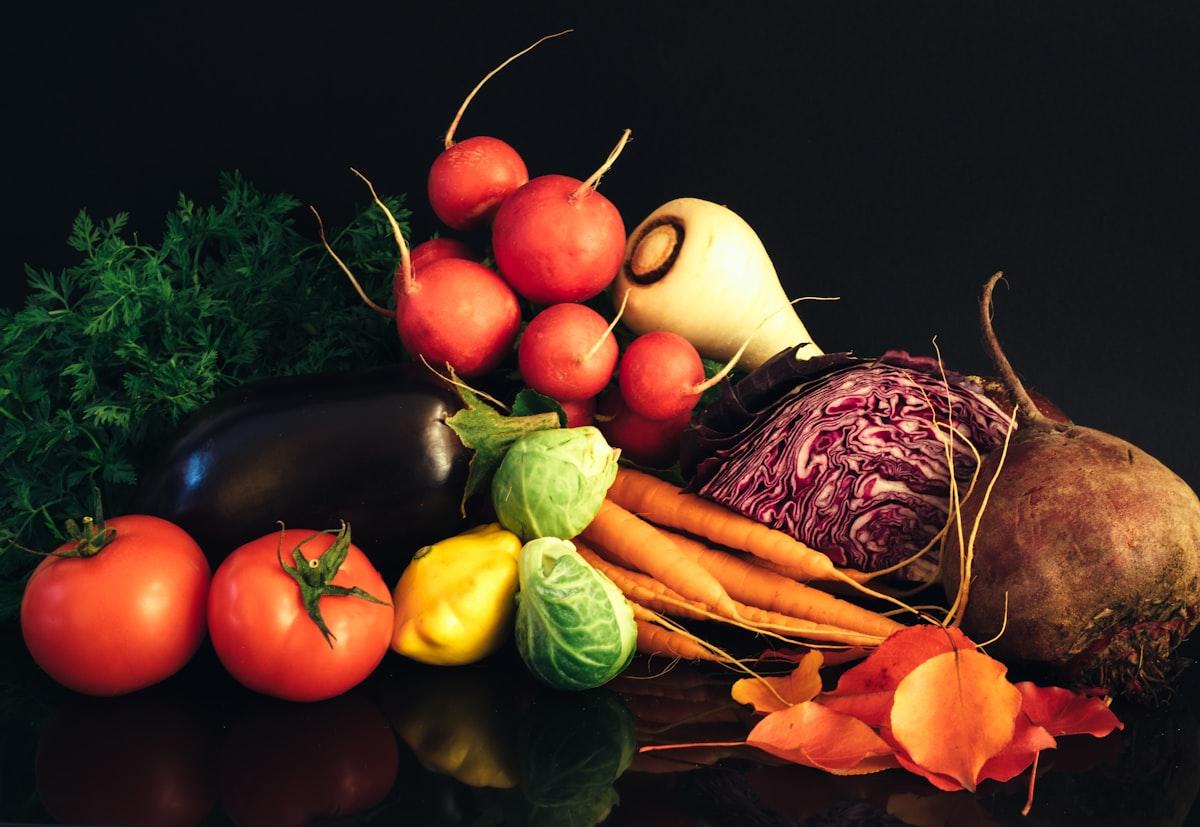
You bought beautiful vegetables on Sunday. By Wednesday they're wilted, slimy, or growing something questionable. Produce waste isn't inevitable — it's usually a storage problem. Here's how to keep your fruits and vegetables fresh much longer.
Why Produce Spoils (The Science)
Produce is still alive after harvest. It breathes, releases gases, loses moisture, and reacts to temperature. Understanding this explains almost every storage rule:
- Ethylene gas: Some fruits release this ripening hormone. It makes nearby produce ripen (and spoil) faster.
- Moisture loss: Most vegetables need humidity to stay crisp. Too dry = wilting.
- Cold sensitivity: Some produce suffers at refrigerator temperatures. Others need it.
The Universal Rules
Don't wash until you're ready to use. Moisture promotes mold. Wash right before cooking, not before storing.
Separate ethylene producers from sensitive items. Apples, bananas, and tomatoes release ethylene. Leafy greens, broccoli, and cucumbers are sensitive to it. Keep them apart.
Use the crisper drawers properly. Most fridges have two: one for high humidity (vegetables) and one for low humidity (fruits). Check your fridge settings.
Storage Guide by Produce Type
Leafy Greens (Lettuce, Spinach, Kale)
Best storage: Fridge, high humidity drawer, loosely wrapped in a damp paper towel inside an open bag.
Lasts: 5-7 days
Pro tip: Remove any slimy or damaged leaves immediately — they accelerate decay of the whole bunch.
Herbs (Cilantro, Parsley, Basil)
Soft herbs (cilantro, parsley, dill): Trim stems, place in a jar with water like flowers, cover loosely with a plastic bag, refrigerate. Lasts 2-3 weeks.
Basil: Exception — keep at room temperature. Cold turns it black. Treat like flowers on the counter.
Tomatoes
Best storage: Room temperature, stem-side down. Refrigeration kills flavor and texture.
Once cut: Refrigerate in an airtight container, use within 2 days.
Overripe: Freeze whole for sauces later.
Onions, Garlic, Shallots
Best storage: Cool, dark, dry place with airflow. A basket in the pantry is ideal.
Never refrigerate: Cold and humidity cause sprouting and mold.
Keep away from potatoes: They release gases that spoil each other faster.
Lasts: 2-3 months if stored properly.
Potatoes
Best storage: Cool (45-50°F), dark, dry place. Too cold converts starch to sugar (weird sweet taste). Light causes green spots (toxic).
Not the fridge: Unless you're out of options.
Lasts: 2-3 weeks in pantry, longer in a cool basement.
Carrots, Celery, Beets
Best storage: Remove any green tops (they drain moisture from the root). Store in the fridge, wrapped in damp paper towels or in a container of water.
Lasts: 3-4 weeks in water, 2 weeks wrapped.
Berries
Best storage: Fridge, unwashed, in a single layer if possible. Line container with paper towels to absorb moisture.
Wash with vinegar: A quick vinegar rinse (1:3 vinegar to water) kills mold spores. Dry thoroughly before storing.
Lasts: 5-7 days (vs. 2-3 without vinegar rinse).
Apples
Best storage: Fridge crisper drawer for long-term. Counter for 1-2 weeks.
Warning: Major ethylene producers. Store separately from other produce.
Bananas
Best storage: Counter until ripe, then refrigerate to slow ripening. Peel turns brown but fruit stays good.
Pro tip: Wrap stems in plastic wrap to slow ethylene release.
Avocados
Unripe: Counter until they give slightly when pressed.
Ripe: Refrigerate immediately. Buys you 2-3 more days.
Cut: Squeeze lime/lemon juice on exposed flesh, press plastic wrap directly onto surface, refrigerate. Use within 24 hours.
Bell Peppers, Cucumbers, Zucchini
Best storage: Fridge, unwashed, in a loose bag with paper towel to absorb moisture.
Cold-sensitive: Don't put against the back of the fridge where it's coldest.
Lasts: 1-2 weeks.
Quick Reference Chart
| Produce | Store | Lasts |
|---|---|---|
| Leafy greens | Fridge, damp paper towel | 5-7 days |
| Tomatoes | Counter, stem down | 1 week |
| Onions/Garlic | Cool, dark, dry | 2-3 months |
| Potatoes | Cool, dark, dry | 2-3 weeks |
| Carrots | Fridge in water | 3-4 weeks |
| Berries | Fridge, single layer | 5-7 days |
| Apples | Fridge, separate | 4-6 weeks |
| Bananas | Counter → fridge when ripe | 5-7 days |
| Avocados | Counter → fridge when ripe | 3-5 days |
| Bell peppers | Fridge, loose bag | 1-2 weeks |
Reviving Sad Produce
Wilted greens: Submerge in ice water for 15-30 minutes. They'll crisp back up.
Soft carrots: Same treatment — ice bath works wonders.
Wrinkled peppers: Still fine for cooking, just not pretty for salads.
Overripe fruit: Freeze for smoothies, bake into bread, or make jam.
Don't toss it yet: Soft doesn't mean spoiled. Slimy, moldy, or foul-smelling means spoiled. Slightly soft just means "use soon."
The Bigger Picture: Reducing Food Waste
Proper storage is one piece. The other is buying what you'll actually use:
- Shop more frequently with smaller lists
- Plan meals around what you have before buying more
- Put newer items behind older ones (first in, first out)
- Have a "use it up" day each week for items about to turn
A well-organized fridge where you can see everything is a fridge with less waste.
Ready to simplify your meal planning?
Join thousands of home cooks who save time and reduce food waste with RecipeHaul.
- Save recipes from any website
- Plan your meals for the week
- Auto-generate grocery lists
- Never forget an ingredient again