Knife Skills 101: Cut Like a Pro at Home
Good knife skills make cooking faster, safer, and more enjoyable. Learn the basics: how to hold a knife, essential cuts, and safety tips.
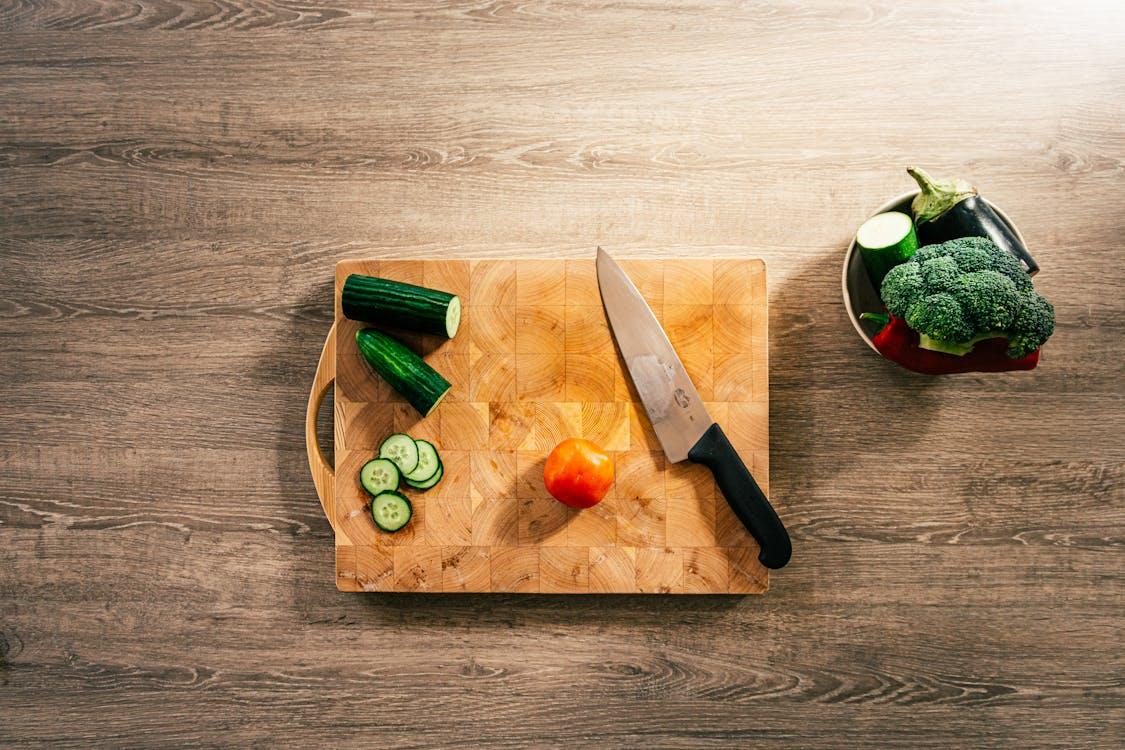
Good knife skills make cooking faster, safer, and more enjoyable. You don't need to be a chef — just learn the basics and practice. This guide covers everything home cooks need to know.
Choosing the Right Knife
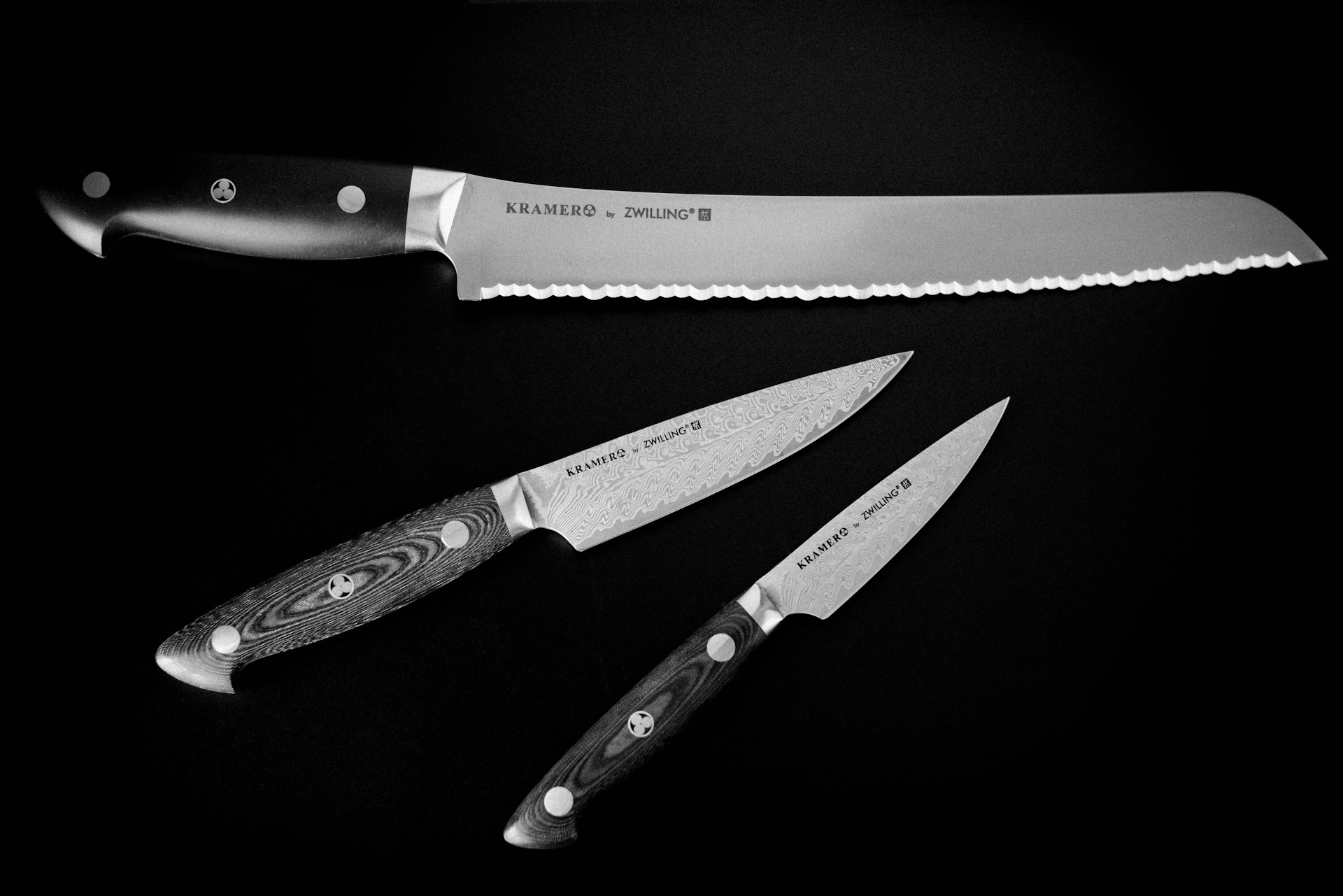
You only need three knives:
Chef's Knife (8-10 inch)
Your workhorse. Use it for 90% of cutting tasks. A good chef's knife is the single most important kitchen tool you'll own.
Our pick: Victorinox Fibrox Pro 8" Chef's Knife — incredible value, professional-quality performance.
Paring Knife (3-4 inch)
For detailed work: peeling, deveining shrimp, hulling strawberries. Anything too small for your chef's knife.
Our pick: Victorinox Paring Knife — matches the chef's knife perfectly.
Serrated Knife (Bread Knife)
For bread, tomatoes, and anything with a tough exterior and soft interior. Can't be sharpened, but lasts for years.
Our pick: Mercer Culinary Millennia 10" Bread Knife
How to Hold a Knife
The Pinch Grip
This is how professionals hold a knife:
- Pinch the blade right where it meets the handle between your thumb and index finger
- Wrap your remaining fingers around the handle
- Your thumb and index finger should be on the blade itself, not the handle
This feels weird at first but gives you much better control than gripping the handle like a hammer.
The Claw Grip (Guiding Hand)
Your non-knife hand should form a "claw":
- Curl your fingertips under, knuckles forward
- Rest the flat of the blade against your knuckles
- Move your hand back as you cut, keeping fingers tucked
Your knuckles guide the blade while your fingertips stay safely behind. This is how you avoid cuts.
Basic Cuts Every Cook Should Know
Rough Chop
Casual, uneven pieces. Use for soups, stews, or anything that will be blended or cooked down. Speed over precision.
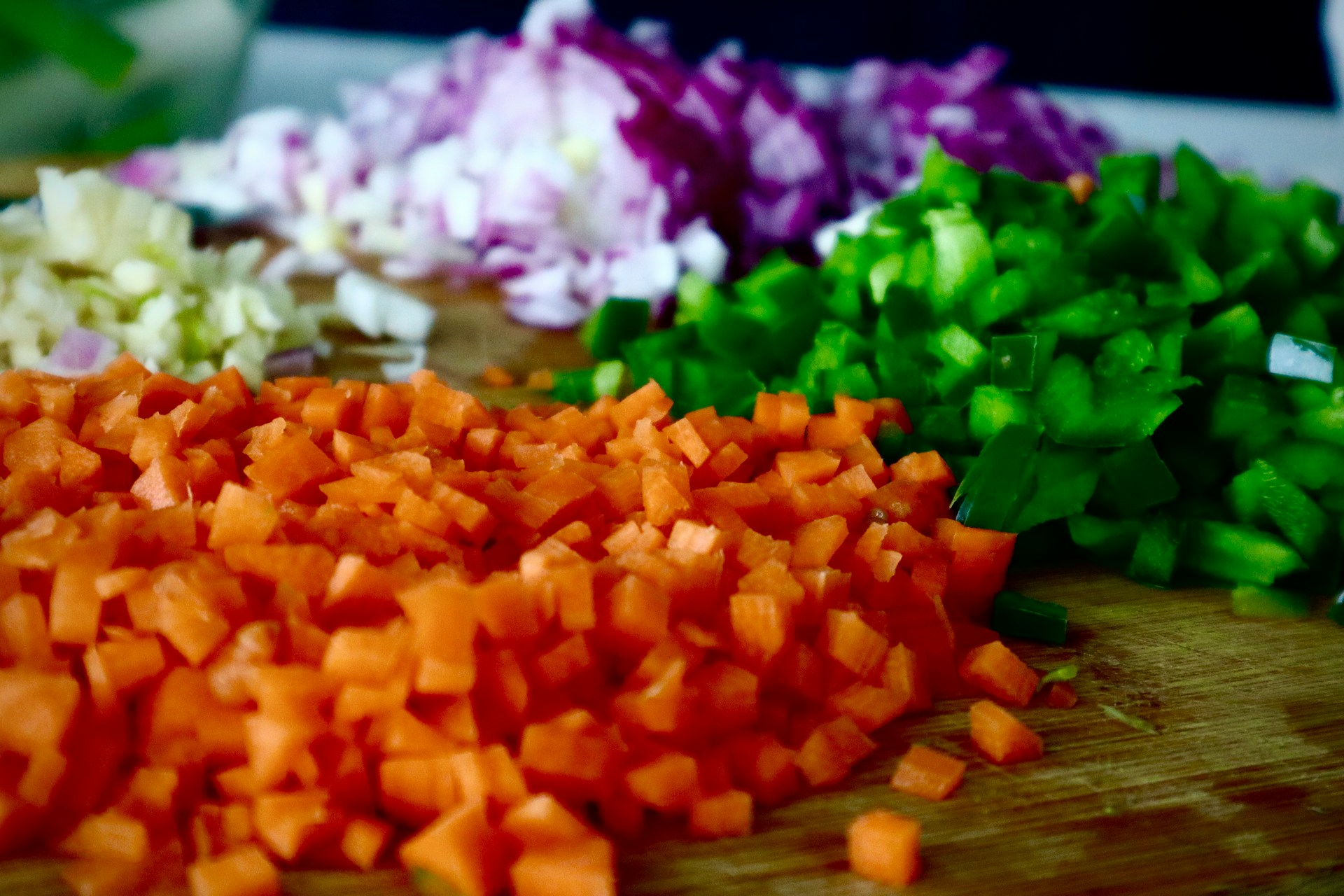
Dice
Even cubes. Sizes: large (3/4 inch), medium (1/2 inch), small (1/4 inch), brunoise (1/8 inch).
How to dice an onion:
- Cut onion in half through the root
- Peel, leaving root intact (it holds everything together)
- Make horizontal cuts toward the root, not through it
- Make vertical cuts from top to root
- Slice across to release the dice
Julienne
Thin matchstick strips. About 1/8 inch thick and 2-3 inches long. Used for stir-fries and salads.
Mince
Very fine pieces. For garlic, ginger, herbs — anything you want to disappear into a dish.
To mince garlic:
- Crush clove with the flat of your knife to remove skin
- Slice thinly
- Rock knife back and forth over slices, gathering and repeating until fine
Chiffonade
Thin ribbons of leafy greens or herbs. Stack leaves, roll tightly, slice across the roll.
Key Cutting Techniques
The Rock Chop
Keep the tip of the knife on the cutting board. Lift the heel and bring it down in a rocking motion. Best for herbs and mincing.
The Push Cut
Push the knife forward and down simultaneously. Good for slicing vegetables and proteins.
The Pull Cut
Draw the knife toward you as you cut. Best for delicate items like tomatoes or fish.
Cutting Board Basics
Use the right cutting board:
- Wood or plastic for general use. Wood is gentler on knives.
- Separate board for raw meat to prevent cross-contamination.
- Damp towel underneath to prevent slipping — this is important for safety.
Our pick: OXO Good Grips Cutting Board Set — different colors for different foods.
Keeping Your Knife Sharp
A dull knife is more dangerous than a sharp one — it requires more force and is more likely to slip.
- Hone before every use: A honing steel realigns the edge. It doesn't sharpen, but maintains sharpness.
- Sharpen 2-4 times per year: Use a whetstone, electric sharpener, or take it to a professional.
- Never use glass cutting boards: They destroy edges instantly.
- Hand wash and dry immediately: The dishwasher dulls and damages blades.
Our pick: Chef'sChoice Electric Knife Sharpener — foolproof sharpening at home.
Knife Safety
- Cut away from yourself. Always.
- Never try to catch a falling knife. Let it drop, step back.
- Keep knives sharp. Dull knives slip and require more pressure.
- Use the right knife for the job. Don't pry or twist with a knife blade.
- Walk with knife at your side, blade facing back. If you must carry one.
- Don't leave knives in the sink. Someone will reach in and get cut.
How to Practice
Knife skills improve with repetition. Start with these exercises:
- Onions: Dice 2-3 onions. Focus on consistent size, not speed.
- Carrots: Practice uniform slices, then julienne, then dice.
- Herbs: Chiffonade basil, mince parsley. Learn the rock chop.
Speed comes naturally. Focus on safety and consistency first.
Put Your Skills to Work
Save recipes that challenge your knife skills. RecipeHaul helps you build a collection of dishes that make you a better cook.
Start Cooking BetterReady to simplify your meal planning?
Join thousands of home cooks who save time and reduce food waste with RecipeHaul.
- Save recipes from any website
- Plan your meals for the week
- Auto-generate grocery lists
- Never forget an ingredient again