How to Season Food: A Beginner's Guide to Flavor
The difference between 'meh' food and memorable food usually isn't the recipe — it's the seasoning. Learn when and how to season like a pro.
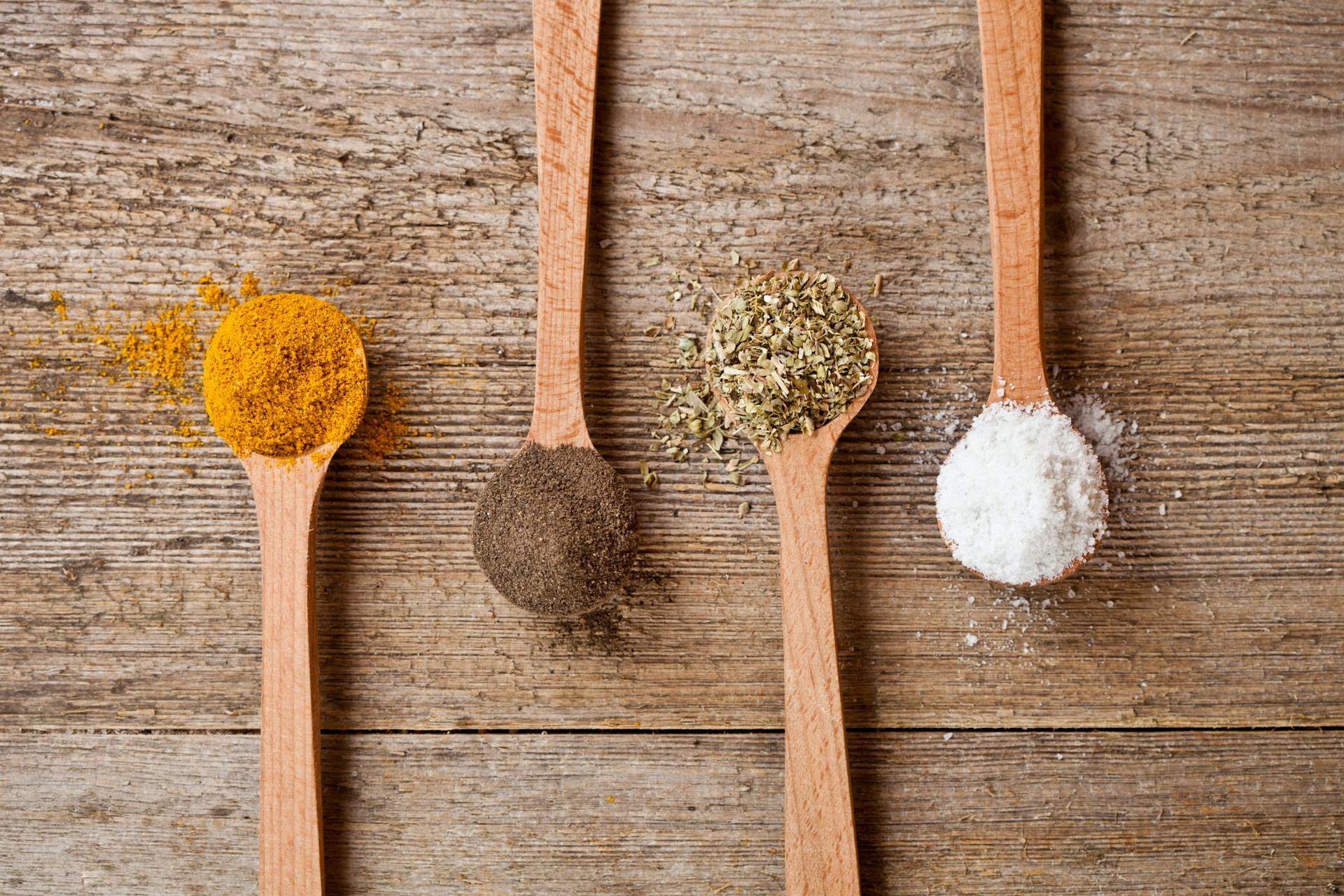
The difference between "meh" food and memorable food usually isn't the recipe — it's the seasoning. Learning when and how to season is the single biggest improvement most home cooks can make.
Salt: The Foundation
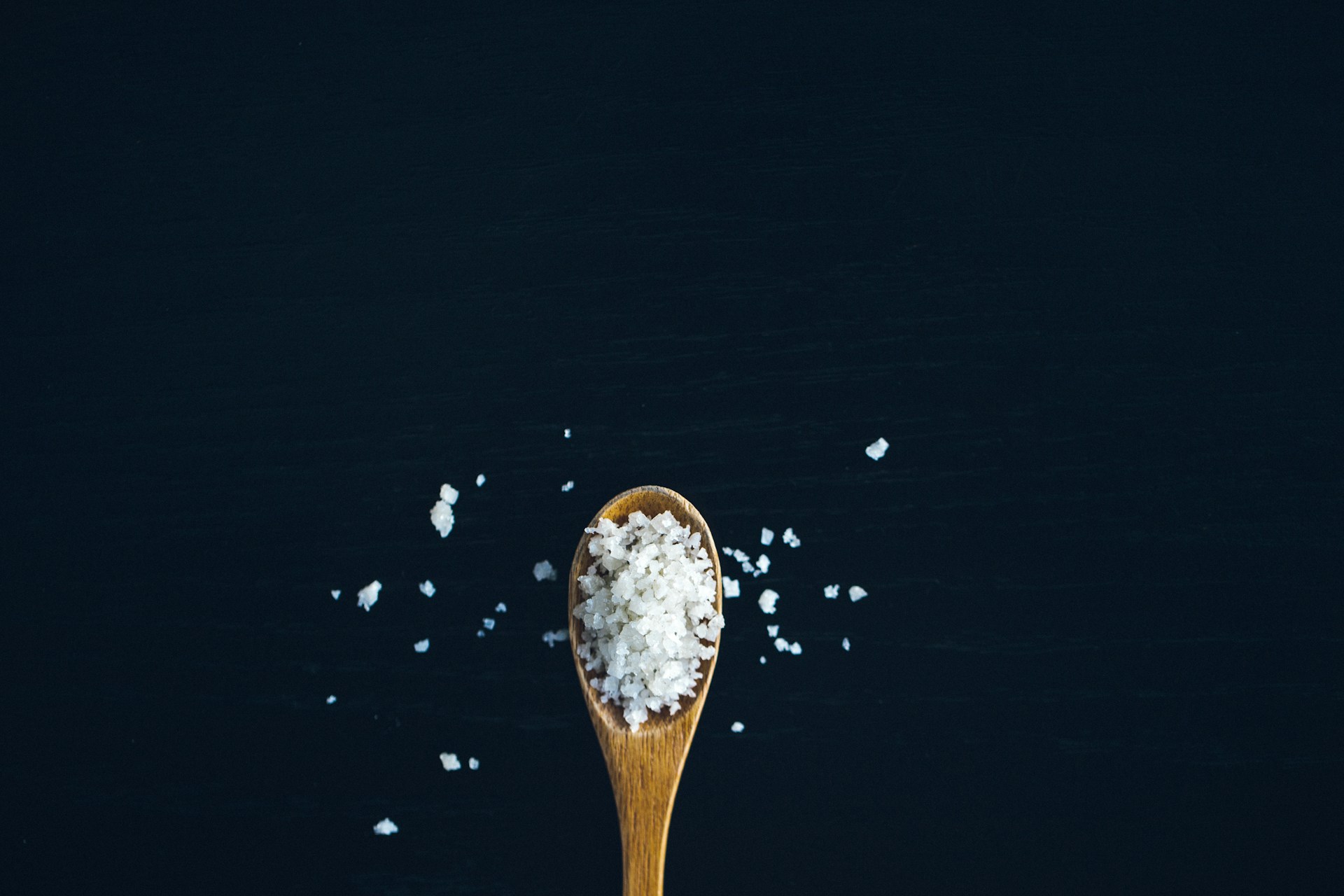
Salt isn't just a flavor — it's a flavor enhancer. It makes everything taste more like itself. Tomatoes taste more tomatoey. Chicken tastes more chickeny. Without enough salt, food tastes flat.
Types of Salt
- Kosher salt: The default for cooking. Large flakes are easy to pinch and distribute evenly. Diamond Crystal is less salty by volume than Morton's — know which you're using.
- Table salt: Fine grains, often iodized. Too easy to over-salt. Use for baking where precision matters.
- Flaky salt (Maldon, fleur de sel): Finishing salt. Adds texture and a burst of flavor. Don't cook with it.
When to Salt
- Season early: Salt proteins at least 30 minutes before cooking (overnight for larger cuts). This gives salt time to penetrate.
- Season throughout: Add salt in layers as you cook, not just at the end.
- Season pasta water: It should taste like the sea. This is your only chance to season the pasta itself.
- Taste and adjust: Always taste before serving and add more if needed.
Beyond Salt: Building Flavor
Acid
Acid brightens food and cuts through richness. If a dish tastes flat even with enough salt, it probably needs acid.
- Citrus: Lemon, lime — add at the end to preserve brightness
- Vinegar: A splash in soups, stews, and sauces
- Tomatoes: Provide acidity plus umami
- Wine: Deglazing pans, braising liquids
Fat
Fat carries flavor and provides richness. It also helps seasonings adhere to food.
- Olive oil: For finishing and medium-heat cooking
- Butter: Adds richness. Finish sauces with a pat.
- Bacon fat, schmaltz: Serious flavor. Save and use for cooking.
Heat (Spice)
Heat wakes up your palate. Even dishes that aren't "spicy" benefit from a little.
- Black pepper: Fresh cracked, added at the end
- Chili flakes: Bloom in oil for more flavor
- Fresh chilies: Vary wildly in heat — taste first
- Hot sauce: Easy to adjust, adds complexity
Sweetness
A touch of sweetness balances acid and heat.
- Sugar: Pinch in tomato sauce cuts acidity
- Honey: For glazes and dressings
- Caramelized onions: Natural sweetness from long cooking
The Fifth Taste: Umami
Umami is savory depth — that hard-to-describe deliciousness. Add it with:
- Soy sauce: Even in non-Asian dishes
- Parmesan cheese: Especially the rinds in soups
- Worcestershire sauce: A few dashes add depth
- Fish sauce: Sounds scary, tastes amazing. Use sparingly.
- Tomato paste: Concentrated umami
- Mushrooms: Fresh or dried
- Miso paste: For soups, marinades, dressings
Working with Spices
Blooming Spices
Toast whole or ground spices in oil or dry in a pan before adding other ingredients. This releases their essential oils and deepens flavor.
Building a Spice Collection
Start with these essentials:
- Everyday: Cumin, paprika (smoked and sweet), garlic powder, onion powder, Italian seasoning, chili powder
- Baking: Cinnamon, nutmeg, vanilla
- Global: Curry powder, garam masala, Chinese five-spice
Spice Storage
- Store in airtight containers away from heat and light
- Buy small amounts — whole spices last 2-3 years, ground spices 6 months to a year
- If a spice smells like nothing, it will taste like nothing. Replace it.
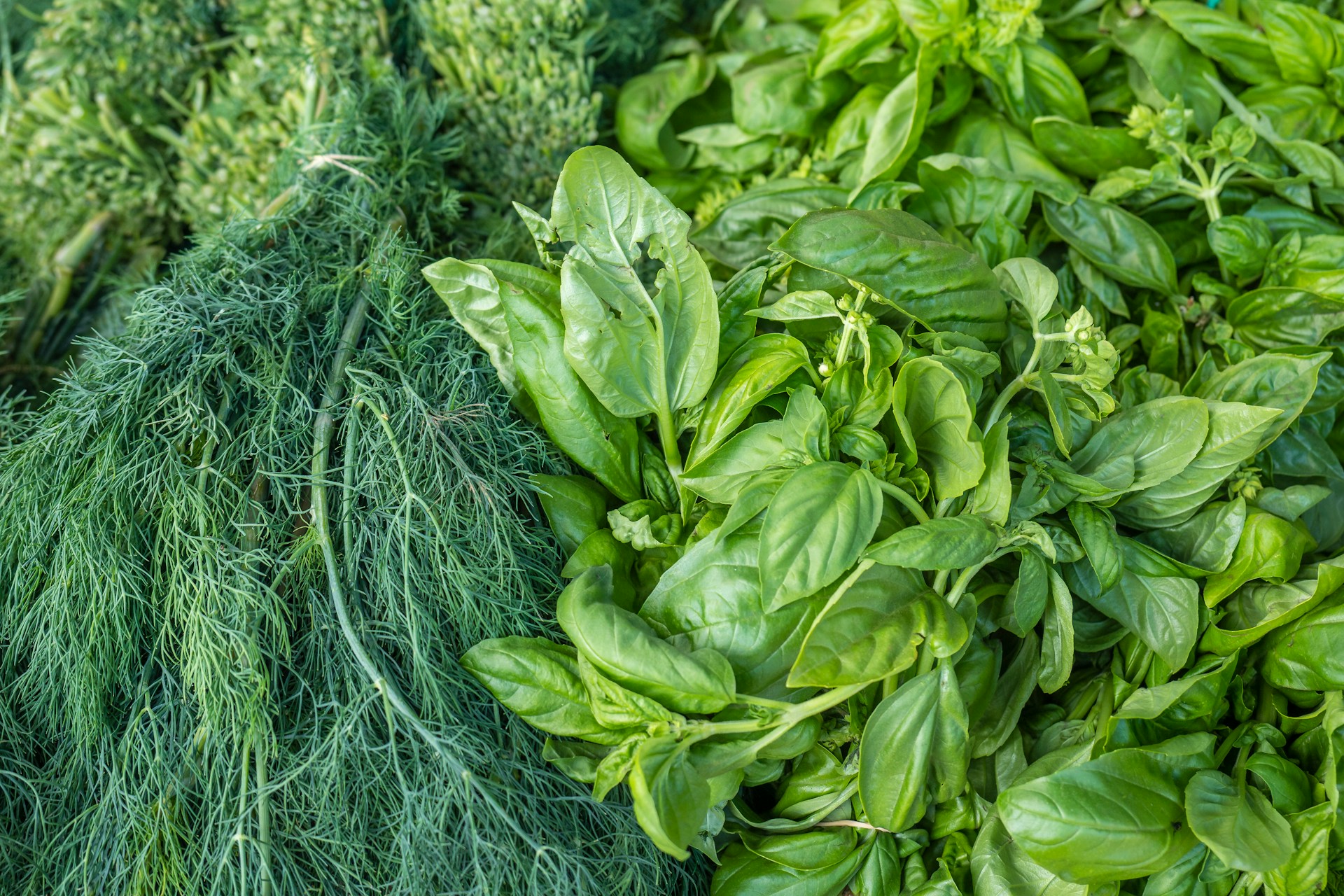
Fresh vs. Dried Herbs
Hardy Herbs (Add Early)
Rosemary, thyme, oregano, sage — these can handle heat. Add early in cooking.
Tender Herbs (Add Late)
Basil, cilantro, parsley, mint, chives — heat destroys their flavor. Add at the end or as garnish.
Conversion
1 tablespoon fresh = 1 teaspoon dried (roughly). Dried is more concentrated.
Common Seasoning Mistakes
- Under-salting: The #1 mistake. Salt should enhance, not be absent.
- Only seasoning at the end: Build flavor in layers throughout cooking.
- Forgetting acid: If food tastes flat, try a squeeze of lemon before adding more salt.
- Old spices: Stale spices add nothing. Smell them — if there's no aroma, replace them.
- Not tasting: Always taste as you go. Your palate is the only reliable guide.
Practice: Season Like a Pro
Try this exercise: Make the same simple dish (scrambled eggs, roasted vegetables) three times:
- First time: Season minimally
- Second time: Season generously with just salt and pepper
- Third time: Add acid (lemon or vinegar) and fresh herbs
Taste all three. Notice the difference. This is how you train your palate.
Season Your Recipe Collection
Save recipes that teach you new flavor combinations. RecipeHaul makes it easy to build a collection of dishes that expand your seasoning skills.
Start Saving RecipesReady to simplify your meal planning?
Join thousands of home cooks who save time and reduce food waste with RecipeHaul.
- Save recipes from any website
- Plan your meals for the week
- Auto-generate grocery lists
- Never forget an ingredient again