How to Eat Well on $50 a Week
Fifty dollars a week for groceries sounds impossible. But with the right strategies, it's not just doable — you can eat well. Here's the complete system.
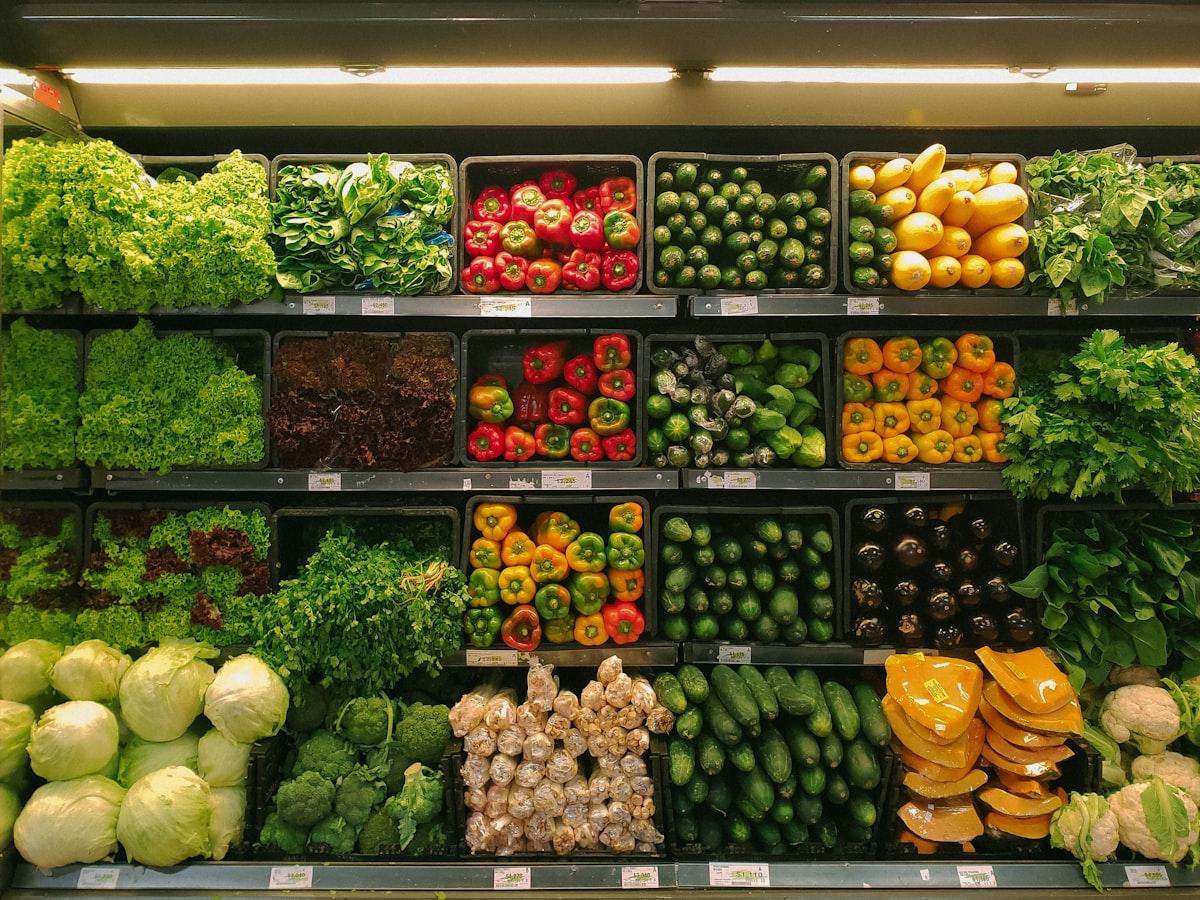
Fifty dollars a week for groceries sounds impossible. But with the right strategies, it's not just doable — you can eat well. Really well. Here's the complete system for stretching your grocery budget without resorting to ramen every night.
The Budget Cooking Mindset
Budget cooking isn't about deprivation. It's about being strategic. The goal is maximum nutrition and flavor per dollar spent. That means:
- Cooking from scratch (processed food is expensive)
- Buying ingredients, not products
- Planning meals around sales and seasons
- Wasting nothing
The Math: Breaking Down $50
At $50 per week for one person, you have about $7.14 per day, or roughly $2.38 per meal if you're eating three meals. That's tight but workable.
| Category | Weekly Budget | What You Get |
|---|---|---|
| Proteins | $15-18 | Chicken thighs, eggs, beans, canned tuna |
| Grains & Starches | $8-10 | Rice, pasta, oats, bread, potatoes |
| Produce | $12-15 | Seasonal vegetables, onions, garlic, bananas |
| Dairy & Eggs | $8-10 | Milk, eggs, cheese, butter |
| Pantry Items | $5-7 | Oil, spices, condiments (buy gradually) |
Best Budget Proteins
Chicken thighs: Cheaper than breasts and more forgiving to cook. Usually $2-3/lb.
Eggs: The ultimate budget protein. Around $0.20-0.30 per egg, each with 6g of protein.
Dried beans and lentils: Incredibly cheap at $1-2/lb dry, which makes 6-8 servings. Complete protein when paired with rice.
Canned tuna/salmon: Stock up when on sale. Great for quick meals.
Ground beef (70/30): Fattier beef is cheaper and actually has more flavor. Drain excess fat if needed.
Whole chicken: Often under $1/lb. Roast it Sunday, use leftovers all week, make stock from the bones.
Pantry Staples That Stretch
Build your pantry gradually. These items last for months and make budget cooking possible:
- Rice: Buy the biggest bag you can afford. Cost per serving: pennies.
- Dried pasta: Store brands are just as good as fancy ones.
- Oats: Breakfast for a week costs about $1.
- Flour: For thickening, breading, and occasional baking.
- Cooking oil: Vegetable oil is cheapest; upgrade to olive oil for finishing.
- Basic spices: Salt, pepper, garlic powder, onion powder, cumin, paprika, Italian seasoning.
- Soy sauce: Adds depth to countless dishes.
- Vinegar: Brightens flavors; rice vinegar and apple cider are versatile.
Produce on a Budget
Always cheap: Onions, garlic, carrots, cabbage, potatoes, bananas.
Buy in season: Seasonal produce is cheaper and tastes better. Summer means tomatoes and zucchini. Fall means squash and apples.
Frozen is fine: Frozen vegetables are picked at peak ripeness and often cheaper than fresh. No waste either.
Skip pre-cut: Whole vegetables cost less. The convenience tax on pre-cut is huge.
Sample $50 Week
Shopping List
- 2 lbs chicken thighs — $5
- 1 dozen eggs — $4
- 1 lb dried black beans — $2
- 2 lbs rice — $3
- 1 lb pasta — $1.50
- 1 can crushed tomatoes — $1.50
- 1 lb ground beef — $5
- Onions (3 lb bag) — $3
- Garlic (head) — $0.50
- Carrots (2 lb bag) — $2
- Cabbage (head) — $2
- Bananas — $1.50
- Potatoes (5 lb bag) — $4
- Frozen broccoli — $2
- Butter — $4
- Bread — $3
- Cheese (block) — $4
Total: ~$48
What You Can Make
- Chicken and rice bowls (4 meals)
- Black beans and rice with sautéed onions (4 meals)
- Pasta with meat sauce (3 meals)
- Fried rice with eggs and vegetables (2 meals)
- Egg sandwiches for breakfast (7 breakfasts)
- Roasted potatoes as sides
- Cabbage slaw or sautéed cabbage
Money-Saving Tips
Shop with a list: Impulse buys destroy budgets. Make a list and stick to it.
Check unit prices: Bigger isn't always cheaper. Compare cost per ounce.
Store brands: Almost always identical to name brands at 20-40% less.
Shop the perimeter: Middle aisles are processed foods with higher markups.
Eat before shopping: Hungry shopping leads to bad decisions.
Use what you have: Plan meals around what's already in your fridge before buying more.
Pro tip: Use RecipeHaul to plan meals and generate grocery lists. You'll see exactly what you need before you shop — no more buying duplicates or forgetting ingredients.
Start This Week
You don't need to overhaul everything at once. Start with these three changes:
- Cook one more meal at home than you did last week
- Buy one protein in bulk (chicken thighs or a whole chicken)
- Make a shopping list before you go to the store
Small changes compound. Before long, $50 weeks will feel normal.
Ready to simplify your meal planning?
Join thousands of home cooks who save time and reduce food waste with RecipeHaul.
- Save recipes from any website
- Plan your meals for the week
- Auto-generate grocery lists
- Never forget an ingredient again