Fridge Organization: Where Everything Should Go
Your refrigerator is probably organized wrong. Learn the temperature zones and where each type of food belongs for maximum freshness.

Your refrigerator is probably organized wrong. Most people shove food wherever it fits, but different areas of your fridge have different temperatures — and using them correctly keeps food fresher longer and reduces waste.
Understanding Temperature Zones
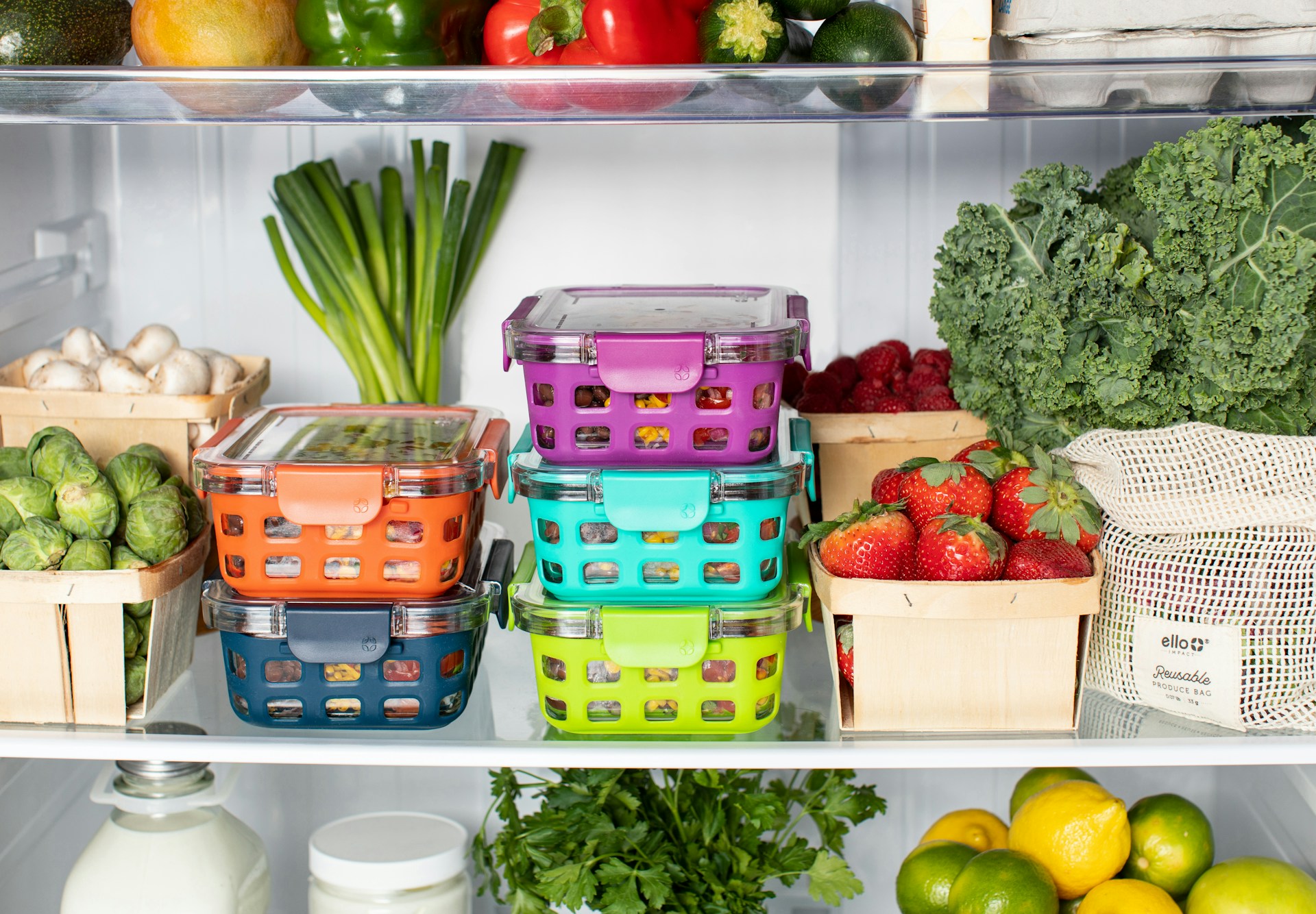
Your fridge isn't one uniform temperature. Here's how it actually works:
Upper Shelves (37-40°F)
Warmest area. Best for:
- Ready-to-eat foods
- Drinks
- Leftovers
- Herbs (in a jar of water)
- Dips and hummus
Lower Shelves (33-36°F)
Coldest area (cold air sinks). Best for:
- Raw meat, poultry, seafood (always on the lowest shelf to prevent drips)
- Milk and dairy
- Eggs (despite what the door suggests)
Crisper Drawers
Designed for produce, with humidity controls:
- High humidity drawer: Leafy greens, herbs, cucumbers, peppers — things that wilt
- Low humidity drawer: Fruits, vegetables that rot — apples, pears, mushrooms, anything that releases ethylene gas
Door Shelves (40-42°F)
Warmest, most variable area. Only for:
- Condiments (mustard, ketchup, hot sauce)
- Pickles and olives
- Juices
- Butter (soft butter compartment)
NOT for: Milk, eggs, or anything that spoils quickly. Despite having an "egg" spot, eggs last longer on a shelf.
Organization Principles
FIFO: First In, First Out
When you buy new groceries, move older items to the front. Use what's oldest first.
Visibility = Use
If you can't see it, you won't eat it. Store items in clear containers when possible.
Group by Category
Keep like items together:
- Breakfast items in one area
- Lunch/snack items together
- Dinner ingredients grouped
- Condiments in one spot
What Goes Where
Upper Shelves
| Store Here | Why |
|---|---|
| Leftovers | Easy access, eat within 3-4 days |
| Ready-to-eat snacks | Grab and go |
| Drinks | Temperature is fine, easy access |
| Yogurt, cottage cheese | Used frequently |
| Deli meats (in sealed container) | Use within a week |
Lower Shelves
| Store Here | Why |
|---|---|
| Raw meat, poultry, fish | Coldest zone, prevents drips onto other food |
| Milk | Needs consistent cold (not door!) |
| Eggs | Keep cold and consistent |
| Cheese | Stays fresh longer in cold |
Crisper Drawers
| High Humidity | Low Humidity |
|---|---|
| Lettuce, spinach, kale | Apples, pears |
| Broccoli, cauliflower | Grapes, berries |
| Carrots, celery | Mushrooms |
| Fresh herbs | Peppers |
| Cucumbers | Stone fruits |
What to Keep OUT of the Fridge
Not everything belongs in the fridge:
- Tomatoes: Cold kills flavor and texture. Store on counter.
- Potatoes, onions, garlic: Cool, dark place — not the fridge.
- Bananas: Counter until ripe. Fridge only if you want to slow ripening.
- Avocados: Counter until ripe, then fridge to slow down.
- Bread: Counter or freezer, never fridge (it goes stale faster).
- Honey: Never refrigerate — it crystallizes.
- Hot sauce: Usually fine at room temp (check label).
- Stone fruits: Ripen on counter first.
Storage Container Tips
- Use clear containers: You'll actually eat what you can see.
- Invest in good produce storage: Rubbermaid FreshWorks actually extends produce life.
- Glass for leftovers: Pyrex containers — see contents, reheat directly, no staining.
- Label and date: Use masking tape and marker for leftovers.
- Don't overcrowd: Air needs to circulate. A packed fridge doesn't cool evenly.
The Weekly Fridge Reset
Every week (before grocery shopping):
- Remove everything: Yes, everything.
- Check dates: Toss anything expired or questionable.
- Wipe shelves: Quick wipe with all-purpose cleaner.
- Take inventory: Note what needs to be used soon.
- Reorganize: Put things back in their proper zones.
This takes 10-15 minutes and prevents the discovery of forgotten science experiments.
Food Safety Reminders
- Fridge should be 40°F or below. Use a thermometer to check.
- Don't leave food out more than 2 hours (1 hour if above 90°F).
- Leftovers are good for 3-4 days. When in doubt, throw it out.
- Raw meat on the bottom shelf. Always. No exceptions.
- Cool food before refrigerating. Hot food raises fridge temperature.
Reduce Food Waste
RecipeHaul helps you plan meals around what you have, so nothing gets forgotten in the back of the fridge. Plan better, waste less, save money.
Start Planning FreeReady to simplify your meal planning?
Join thousands of home cooks who save time and reduce food waste with RecipeHaul.
- Save recipes from any website
- Plan your meals for the week
- Auto-generate grocery lists
- Never forget an ingredient again

