Essential Kitchen Tools: What You Actually Need
You don't need a kitchen full of gadgets. Here are the essential items that actually make a difference — the tools professional cooks rely on.
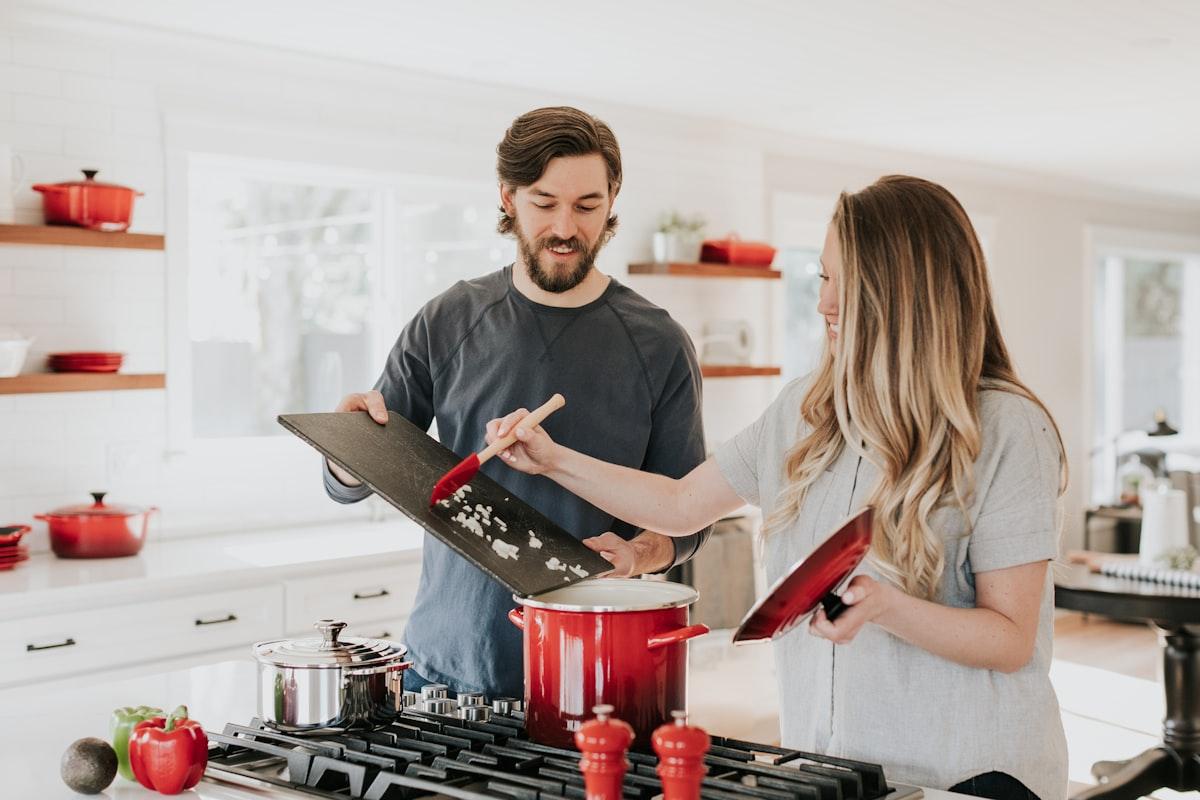
You don't need a kitchen full of gadgets to cook well. In fact, too many tools just create clutter and decision fatigue. Here are the essential items that actually make a difference — the tools professional cooks rely on every day.
The Philosophy: Quality Over Quantity
One good knife beats a drawer full of mediocre ones. One quality pan outperforms a matching set of cheap cookware. Invest in fewer, better tools and you'll cook better with less frustration.
Cutting and Prep
Chef's Knife (The Most Important Tool)
If you buy one thing, make it a good chef's knife. An 8-inch blade handles 90% of kitchen tasks: chopping vegetables, slicing meat, mincing garlic, crushing nuts. A sharp knife is also safer — it goes where you direct it instead of slipping.
Look for high-carbon stainless steel with comfortable weight. It should feel balanced in your hand.
See Our Recommended Chef's Knife →
Cutting Board
Your knife needs a proper surface. A large (at least 12x18 inch) wood or plastic cutting board gives you room to work efficiently. Small boards mean ingredients fall off and you're constantly cleaning up.
Wood is gentler on knife edges and looks better. Plastic is dishwasher safe and more affordable. Either works — just get one big enough.
See Our Recommended Cutting Board →
Cookware Essentials
Nonstick Skillet
For eggs, fish, and delicate foods, nonstick is indispensable. Get a 10 or 12-inch pan. Don't spend a fortune — nonstick coating wears out eventually regardless of price. Replace it every few years.
Avoid metal utensils on nonstick and never preheat empty (damages the coating). It's a specialty tool, not your everyday pan.
See Our Recommended Nonstick Skillet →
Stainless Steel or Cast Iron Skillet
For searing, browning, and building fond (those flavorful browned bits), you need a pan that can handle high heat. Stainless steel heats evenly and is easy to maintain. Cast iron retains heat incredibly well and lasts forever.
Cast iron requires seasoning but rewards you with naturally nonstick surface over time.
Saucepan
A 2-3 quart saucepan handles sauces, grains, reheating soups, and small batches of pasta. Look for a heavy bottom that distributes heat evenly — this prevents hot spots and burning.
See Our Recommended Saucepan →
Stock Pot or Dutch Oven
For soups, stews, pasta water, and big batches of anything, you need volume. A 6-8 quart pot handles most home cooking needs. Dutch ovens do double duty — stovetop and oven — and are perfect for braising.
See Our Recommended Stock Pot →
Measuring Tools
Measuring Cups and Spoons
Baking demands precision. Cooking is more forgiving, but measuring cups and spoons still matter for consistent results. Get a set of each — dry measuring cups (nested) and liquid measuring cups (glass or plastic with pour spout).
See Our Recommended Measuring Cups →
See Our Recommended Measuring Spoons →
Instant-Read Thermometer
This transforms your cooking more than almost any other tool. No more cutting into meat to check doneness (losing juices). No more guessing if chicken is safe. No more overcooked steak.
For $15-20, you get perfect proteins every time. Best investment in the kitchen.
See Our Recommended Meat Thermometer →
Essential Utensils
Silicone Spatula
Heat-resistant silicone spatulas scrape bowls clean, fold batters gently, and stir anything without scratching pans. Get at least two — one large, one small.
See Our Recommended Silicone Spatula →
Wooden Spoons
For stirring, sautéing, and scraping. Wood doesn't conduct heat (won't burn your hand), won't scratch pans, and feels satisfying to use. Keep 2-3 of different sizes.
See Our Recommended Wooden Spoons →
Tongs
The extension of your hand. Flipping meat, tossing salads, serving pasta, turning vegetables. Get 12-inch tongs with a locking mechanism for storage.
Colander
For draining pasta, rinsing vegetables, straining stocks. A large, sturdy colander with feet (so it sits above the sink water) is kitchen essential.
See Our Recommended Colander →
Prep and Mixing
Mixing Bowls (Set)
A nested set of 3-5 bowls in various sizes handles prep work, mixing, marinating, and serving. Stainless steel is lightweight and durable. Glass lets you see contents and works in the microwave.
See Our Recommended Mixing Bowls →
What You Can Skip
These are often unnecessary for most home cooks:
- Garlic press: A knife and the flat side of your blade work fine
- Egg slicer: Just... use a knife
- Single-purpose gadgets: Avocado slicers, strawberry hullers, banana cutters
- Matching cookware sets: You rarely need all the pieces, and the quality is often mediocre
- Knife block: Takes counter space; a magnetic strip or drawer insert works better
Build Your Kitchen Gradually
You don't need everything at once. Start with:
- Chef's knife
- Cutting board
- One skillet (nonstick or stainless)
- One pot (saucepan or stock pot)
Add items as you encounter actual needs. That specialty tool you think you need? You probably don't. The basics done well cover most cooking situations.
Quality markers: Look for weight (heavier usually means better), solid construction (no wobbly handles), and materials that last (stainless steel, cast iron, solid wood).
Good tools make cooking enjoyable. Great tools disappear — you stop thinking about them and just cook.
Ready to simplify your meal planning?
Join thousands of home cooks who save time and reduce food waste with RecipeHaul.
- Save recipes from any website
- Plan your meals for the week
- Auto-generate grocery lists
- Never forget an ingredient again