How to Cook Chicken Breast That's Actually Juicy
Dry, rubbery chicken breast is a rite of passage — but it doesn't have to be. Learn the techniques that guarantee juicy chicken every time.
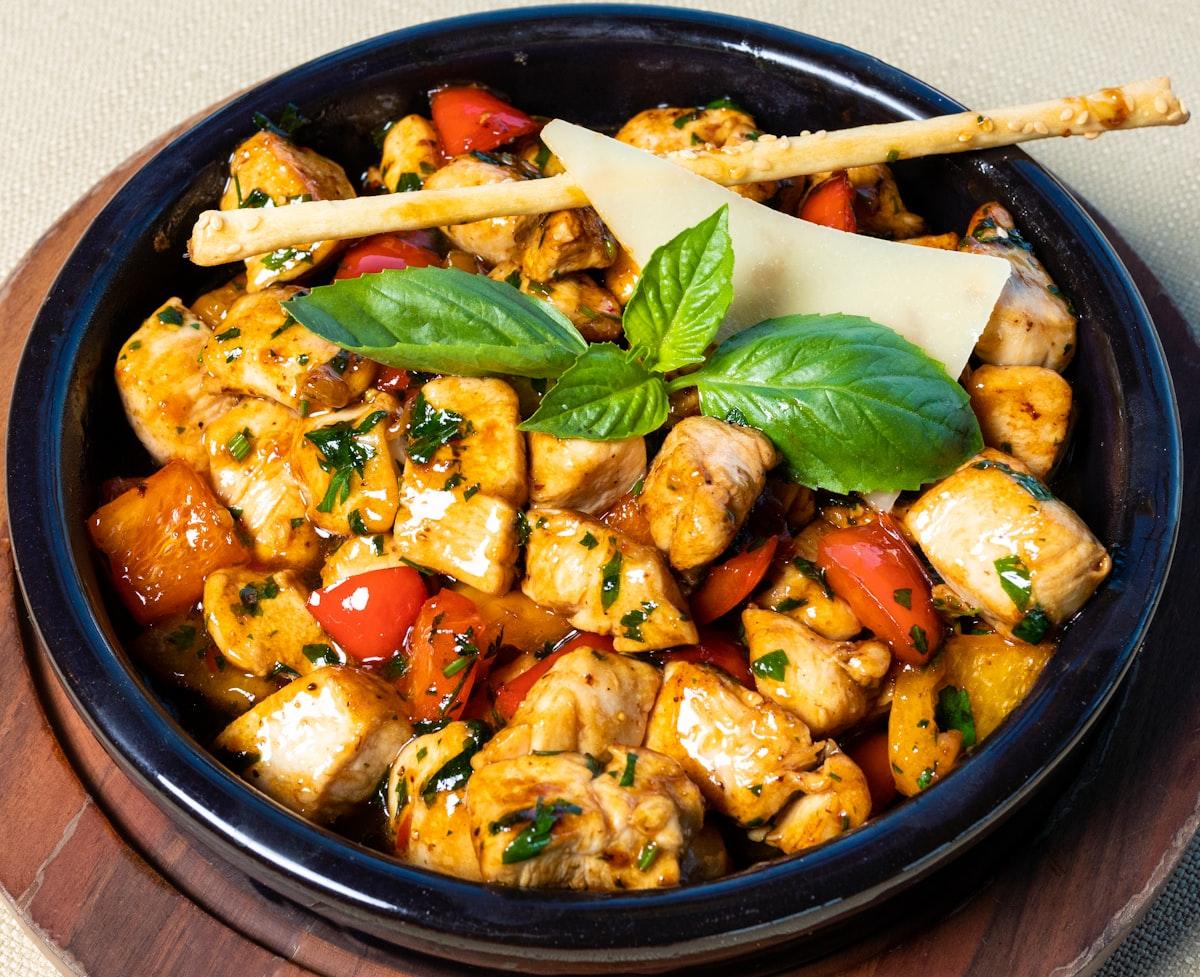
Chicken breast has a reputation problem. It's the protein everyone defaults to, yet somehow it's also the one people mess up the most. Dry, rubbery, flavorless — we've all been there. But juicy chicken breast isn't complicated. You just need to understand a few basic principles.
Why Chicken Breast Dries Out
Chicken breast is lean — really lean. With almost no fat to keep it moist, the margin for error is small. Cook it a few minutes too long and the proteins squeeze out all their moisture, leaving you with something resembling a hockey puck.
The good news? Once you understand what's happening, you can prevent it.
Techniques for Juicy Chicken
1. Pound It Flat
Chicken breasts are thick on one end and thin on the other. The thin part overcooks while the thick part finishes. The solution: pound it to an even thickness (about 3/4 inch).
Place the chicken between plastic wrap and use a meat mallet, rolling pin, or the bottom of a heavy pan. This alone will dramatically improve your results.
2. Brine It (Even Quickly)
Brining adds moisture and seasons the meat throughout. A basic brine is just water and salt — 1 tablespoon of salt per cup of water. Submerge the chicken for at least 30 minutes, up to 4 hours.
Short on time? Even 15 minutes helps. Or try a dry brine: salt the chicken generously and let it sit uncovered in the fridge for an hour.
3. Don't Cook It Cold
Chicken straight from the fridge takes longer to cook through, which means the outside overcooks. Let it sit at room temperature for 15-20 minutes before cooking.
4. Use a Thermometer
This is the single most important tip. Chicken is safe at 165°F (74°C), but it's juicy at 160°F — carryover cooking will bring it up those last few degrees after you remove it from heat.
Stop guessing. A $15 instant-read thermometer will change your cooking forever.
5. Let It Rest
Cut into chicken immediately and the juices run out onto your cutting board. Wait 5 minutes and those juices redistribute into the meat. Patience pays off.
Best Cooking Methods
Pan-Seared (Best for Weeknights)
- Pound chicken to even thickness
- Season generously with salt and pepper
- Heat oil in a skillet over medium-high until shimmering
- Add chicken, don't move it for 5-6 minutes
- Flip when golden brown, cook 5-6 more minutes
- Check temperature: 160°F in the thickest part
- Rest 5 minutes before slicing
Oven-Baked (Best for Meal Prep)
- Preheat oven to 425°F (220°C)
- Pound and season chicken
- Place on a baking sheet, drizzle with olive oil
- Bake 18-22 minutes until 160°F internal
- Rest before slicing or storing
Pro tip: For extra flavor, sear the chicken in a hot pan for 2 minutes per side, then finish in the oven. Best of both worlds.
Poached (Best for Shredding)
Poaching is underrated. It's gentle, foolproof, and perfect for chicken salad or tacos.
- Place chicken in a pot, cover with cold water by 1 inch
- Add salt, garlic, bay leaf, peppercorns
- Bring to a boil, then immediately reduce to a bare simmer
- Cook 12-15 minutes until 160°F
- Let cool in the liquid for extra moisture
Common Mistakes
Overcrowding the pan: Too much chicken drops the pan temperature. The meat steams instead of sears. Cook in batches if needed.
Moving it too soon: Let the chicken develop a crust before flipping. If it sticks, it's not ready.
Slicing immediately: We know you're hungry. Wait anyway.
Cooking too hot: High heat means the outside burns before the inside cooks. Medium-high is plenty.
Adding Flavor
Plain chicken is boring. Here are quick ways to make it better:
- Marinades: Acid (lemon, vinegar) + oil + aromatics. 30 minutes minimum, 24 hours maximum (acid breaks down the texture).
- Spice rubs: Mix your favorite spices with a little oil and coat the chicken before cooking.
- Pan sauce: After cooking, deglaze the pan with broth, wine, or lemon juice. Scrape up the browned bits and reduce. Pour over the chicken.
- Compound butter: Mix softened butter with herbs, garlic, or spices. Top the hot chicken with a pat.
The Short Version
- Pound to even thickness
- Brine if you have time
- Let it come to room temp
- Use a thermometer (160°F)
- Rest before cutting
That's it. Five steps to chicken breast that's actually worth eating.
Ready to simplify your meal planning?
Join thousands of home cooks who save time and reduce food waste with RecipeHaul.
- Save recipes from any website
- Plan your meals for the week
- Auto-generate grocery lists
- Never forget an ingredient again