Fresh vs Frozen Vegetables: Which Should You Buy?
Fresh vegetables are always better than frozen, right? Not necessarily. The truth is more nuanced — and understanding it can save you money.

Fresh vegetables are always better than frozen, right? Not necessarily. The truth is more nuanced — and understanding it can save you money, reduce waste, and sometimes even give you more nutritious food.
The Frozen Vegetable Myth
Many people assume frozen vegetables are somehow inferior. Here's the reality:
Frozen vegetables are often MORE nutritious than fresh.
How? Frozen vegetables are typically picked at peak ripeness and flash-frozen within hours. "Fresh" vegetables in your grocery store may have traveled for days or weeks, losing nutrients along the way.
A study in the Journal of Food Composition and Analysis found that frozen produce had comparable — and sometimes higher — vitamin content than fresh produce stored for 5 days.
When to Buy Fresh
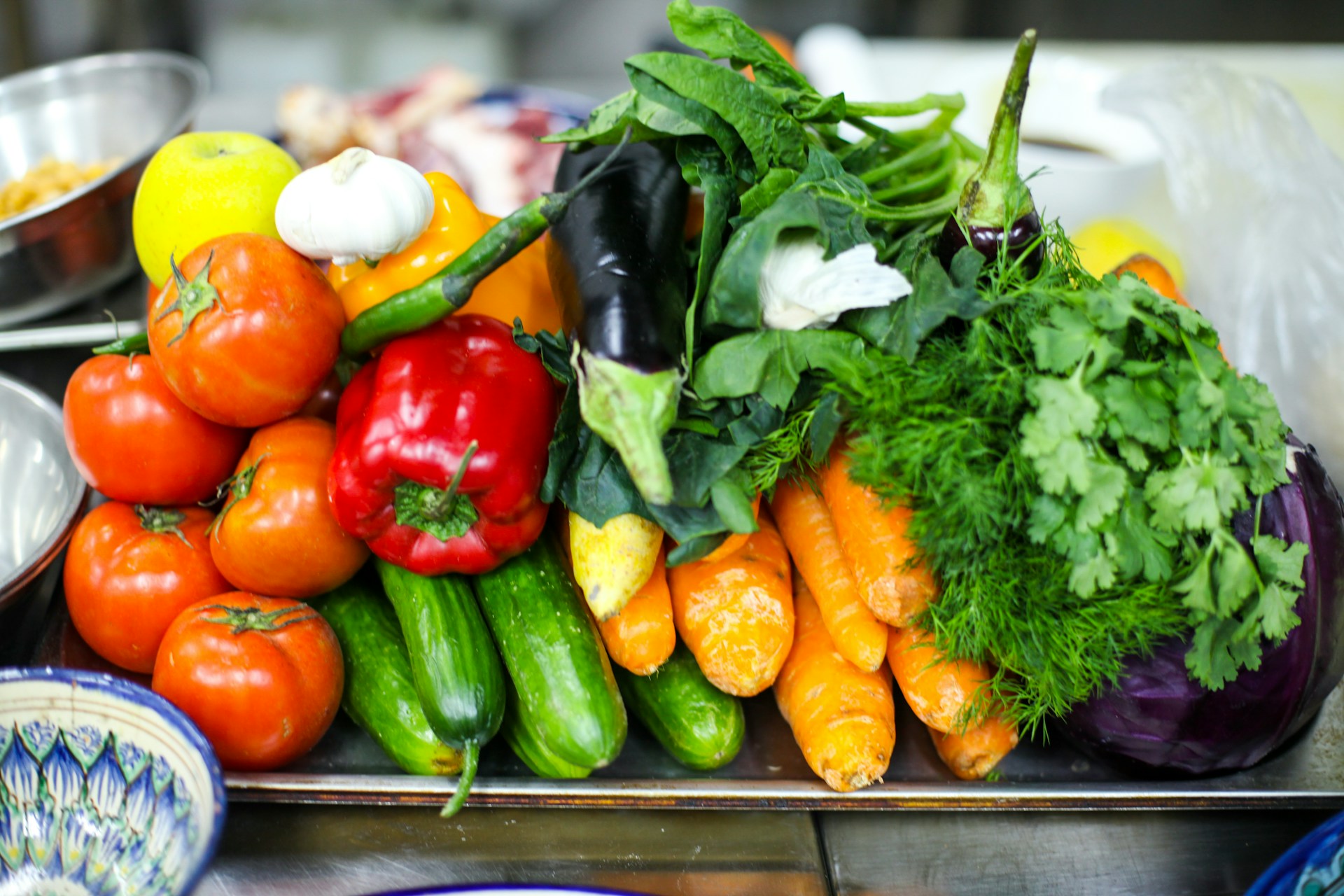
Fresh is the better choice when:
- Texture matters: Salads, crudités, garnishes — anything where you want crunch
- You'll use it quickly: Within 2-3 days of purchase
- It's in season: Local, seasonal produce is fresher and cheaper
- The dish showcases the vegetable: A summer tomato salad deserves fresh tomatoes
Best Bought Fresh
- Lettuce and salad greens
- Tomatoes (for eating raw)
- Cucumbers
- Bell peppers (for raw eating)
- Avocados
- Fresh herbs
- Onions and garlic
- Potatoes (they don't freeze well)
When to Buy Frozen
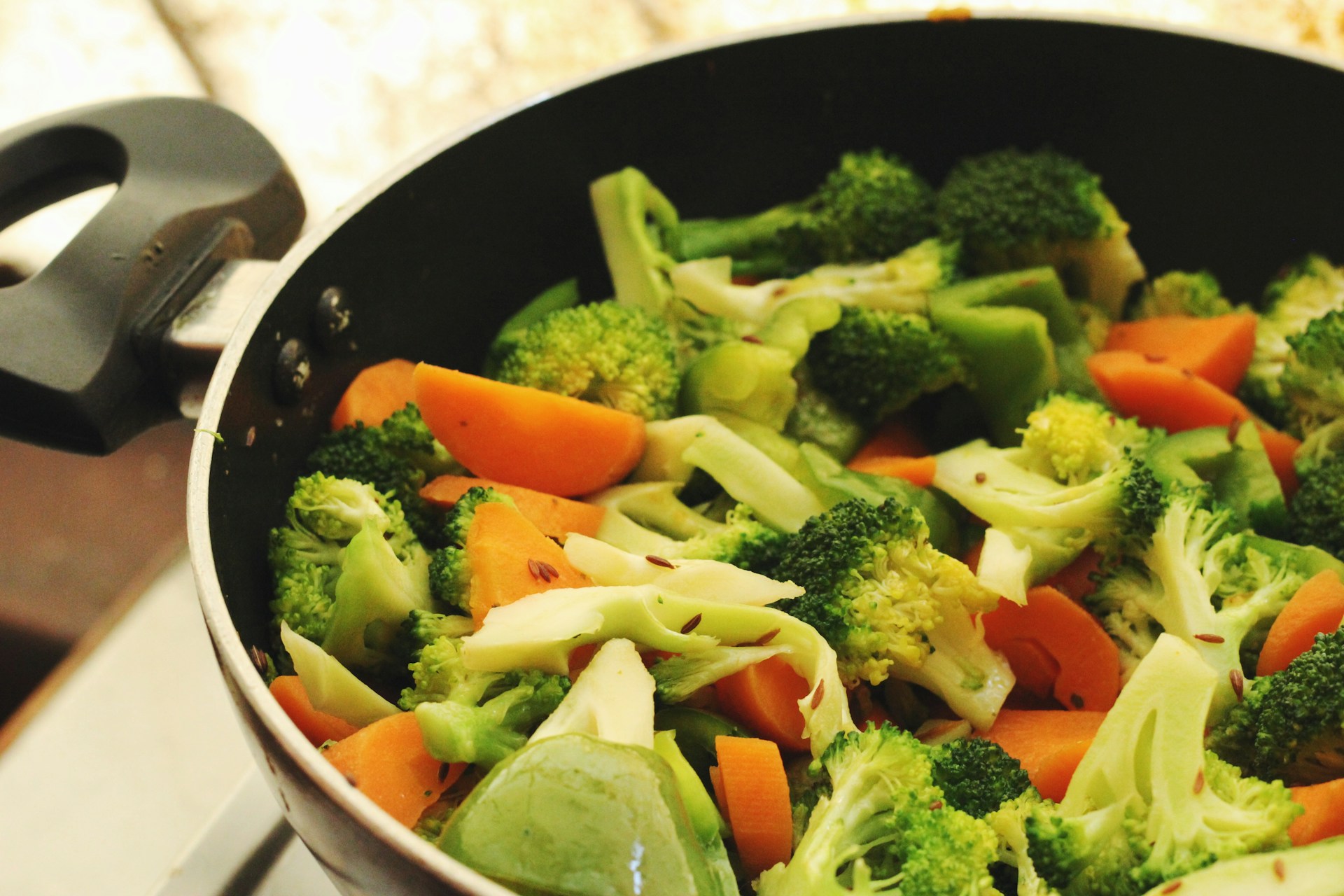
Frozen is the better choice when:
- Vegetables will be cooked: Soups, stir-fries, casseroles
- Convenience matters: Pre-cut, ready to use, no prep
- Budget is tight: Frozen is usually cheaper, especially off-season
- You want to reduce waste: Frozen keeps for months
- It's out of season: Frozen peas in February beat "fresh" peas shipped from another hemisphere
Best Bought Frozen
- Peas (frozen peas are actually better than most "fresh" peas)
- Corn
- Green beans
- Spinach (for cooking, not salads)
- Broccoli and cauliflower
- Mixed stir-fry vegetables
- Berries (for smoothies and baking)
- Edamame
What to Avoid Frozen
Some things just don't freeze well:
- Lettuce and leafy greens: Turn to mush
- Cucumbers: Watery and limp after thawing
- Raw tomatoes: Texture is ruined (but frozen tomatoes work fine for sauce)
- Celery: Loses all crunch
- Radishes: Become soft
- Potatoes: Texture changes significantly
Cooking with Frozen Vegetables
Don't Thaw First (Usually)
Most frozen vegetables cook best straight from frozen. Thawing first makes them waterlogged and mushy.
Exceptions
- Spinach: Thaw and squeeze out water for quiches, dips, stuffings
- Large items: Corn on the cob should thaw partially first
Cooking Methods
- Roasting: Spread frozen vegetables on a sheet pan, toss with oil and salt. Roast at 425°F until edges brown. Takes longer than fresh but works great.
- Stir-frying: Use high heat and don't overcrowd the pan. Cook in batches if needed.
- Steaming: Works well but watch timing — frozen vegetables cook faster because they're already partially cooked during blanching.
- Adding to soups: Add frozen vegetables in the last 5-10 minutes of cooking.
Proper Storage
Fresh Vegetables
- Store in the crisper drawer
- Don't wash until ready to use (moisture speeds decay)
- Keep ethylene producers (tomatoes, bananas) separate from sensitive items (lettuce, broccoli)
- Most vegetables last 3-7 days properly stored
For extended freshness, Rubbermaid FreshWorks Produce Savers can significantly extend the life of fresh produce.
Frozen Vegetables
- Keep freezer at 0°F (-18°C)
- Once opened, squeeze out air and seal tightly
- Use within 8-12 months for best quality
- If vegetables have freezer burn, they're safe but may taste off
Cost Comparison
A general guide (prices vary by location and season):
| Vegetable | Fresh (per lb) | Frozen (per lb) |
|---|---|---|
| Broccoli | $2.50 | $1.50 |
| Peas | $4.00 | $1.25 |
| Green beans | $3.00 | $1.50 |
| Spinach | $5.00 | $2.00 |
| Corn | $2.00 | $1.00 |
Frozen also has zero waste — you use exactly what you need and the rest stays frozen.
The Bottom Line
Use both. Stock your freezer with frozen peas, corn, spinach, and stir-fry mixes. Buy fresh when vegetables are in season, when texture matters, or when you'll use them quickly.
The best vegetable is the one you'll actually eat. If frozen vegetables mean you eat more vegetables, that's a win.
Plan Meals with What You Have
RecipeHaul helps you find recipes based on ingredients you already have — frozen or fresh. Stop wasting food and start cooking smarter.
Try RecipeHaul FreeReady to simplify your meal planning?
Join thousands of home cooks who save time and reduce food waste with RecipeHaul.
- Save recipes from any website
- Plan your meals for the week
- Auto-generate grocery lists
- Never forget an ingredient again


